
Specialist LCD/OLED Supplier
|
|








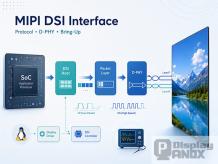
MIPI DSI Interface Guide: Protocol, D-PHY, Linux Driver Bring-Up, and Debugging
1. What Is MIPI DSI? MIPI DSI , short for Mobile Industry Processor Interface Display Serial Interface, is a high-speed serial display interface used to connect a host processor to a display module. It is widely used in smartphones, tablets, handheld devices, AR/V
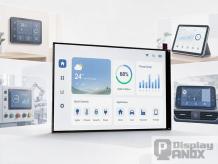
Applications of IPS LCD Screens: Where IPS-LCD Display Panels Are Used
7.0 inch LCD For Tablet IPS LCD screens are used in a wide range of products because they solve a very common display problem: the image needs to stay clear when the screen is viewed from different positions. In real devices, users rarely look at a screen from
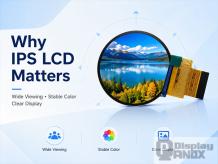
Why Is an IPS LCD Screen Important for Modern Display Products?
2 inch Round TFT LCD Module An IPS LCD screen matters because many products are no longer viewed from one fixed position. Industrial operators stand beside machines. Drivers glance at dashboards from changing angles. Handheld devices tilt in the user
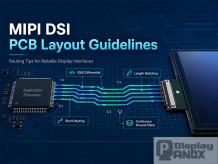
MIPI DSI PCB Layout Guidelines for Reliable Display Interfaces
1. Why MIPI PCB Layout Matters MIPI interfaces were originally developed for compact mobile devices, but their use has expanded far beyond smartphones. Today, MIPI DSI is widely used in display systems for tablets, handheld devices, smart wearables, AR / V
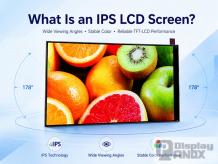
What Is an IPS LCD Screen? A Practical Guide to IPS-LCD Display Panels
7.0 inch LCD For Tablet An IPS LCD screen is a type of TFT-LCD display designed to keep image quality stable when the screen is viewed from different directions. IPS stands for In-Plane Switching, a liquid crystal display mode developed to improve the view
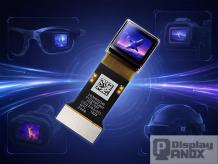
Applications of High Refresh Rate Monitor and Display Panels
0.5 inch 1600x1200 Micro OLED 1000 cd luminance 120 Hz High refresh rate display panels are now used in far more than gaming monitors. As visual devices become smaller, closer to the eye, more interactive, and more dependent on real-time image processing, r
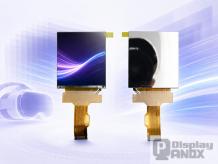
Why Is High Refresh Rate Important for Display Panels?
2.9 inch TFT-LCD 120 Hz For VR High refresh rate has become one of the most important specifications in modern display design. For many buyers, the first association is a high refresh rate monitor used for gaming or fast video. In product developmen
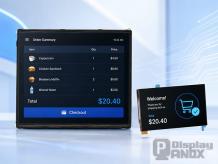
How to Build Main and Secondary Display Output for POS Terminals
9.7 inch TFT-LCD and 5.5 inch Full Color OLED In a POS terminal, the main screen and the secondary screen do not simply represent two pieces of glass mounted on the same device. From the system side, they are two display output path
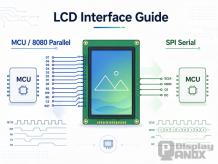
LCD MCU Interface and SPI Interface Explained: 8080 Parallel vs Serial LCD Connections
LCD modules can use many different interface types depending on screen size, resolution, refresh requirements, controller IC, product structure, and system cost. For embedded display projects, two of the most common physical interfaces are the MCU interface , often known
Panox Display

Browse Articles by Category
OEM SERVICE
Customized Touch Panel

HDMI/Type-C Controller/Driver Board

Custmized LCD/OLED

Free Connectors

Find a Display to Fit Your Application

For More OLED/LCD Panels
If our display fit your application, subscrlbe for monthly Insights
Panox Display Professional OLED/LCD Supplier and Manufacturer
- 📍 Shenzhen
- 📞 Phone: 86 755 3396 6409
- 📠 Skype: panoxwesley

If it`s urgent, try to contact
Whatsapp: +86 18665870665
Skype: panoxwesley
QQ: 407417798