
Specialist LCD/OLED Supplier
|
|








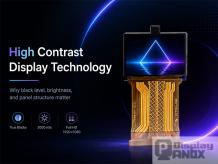
High Contrast Display Technology: What It Means for OLED, LCD and Micro OLED Panels
0.71 inch Micro OLED 1920x1080 LVDS 3000 nits High contrast display technology is one of the most important factors behind a clear, vivid and comfortable screen. Resolution tells users how many pixels a display has, brightness tells them how much light it can
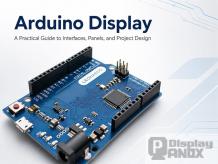
What Is an Arduino Display? A Practical Guide to Display Panels, Interfaces and Project Selection
Arduino has become one of the most accessible ways to turn an electronic idea into a working prototype. A few sensors, several lines of code, and a small display are often enough to make a device feel alive. The display is where raw data becomes something people ca
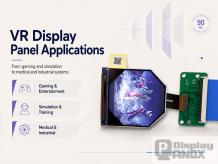
VR Display Panel Applications: Where Display for VR Is Used
2.1 inch LCD 90 Hz For VR HDMI Board Virtual reality is no longer limited to gaming headsets. Today, a display for VR can be used in professional training systems, medical education, industrial visualization, design review, research devices, optical
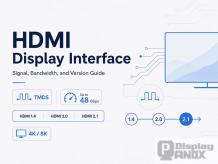
HDMI Display Interface Explained: Signal Principles, Bandwidth, Versions, and Display Solution Selection
HDMI is one of the most widely used display interfaces in consumer electronics, industrial display systems, embedded devices, gaming equipment, and professional AV applications. From televisions and projectors to mini PCs, single-board computers, medical terminals, digital
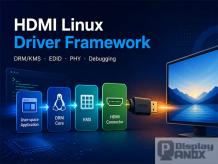
HDMI Display Driver Framework on Linux: From DRM/KMS Architecture to Black Screen Debugging
1. Why HDMI Driver Knowledge Matters in Embedded Display Projects In an embedded display project, connecting an HDMI cable does not always mean the screen will light up immediately. A display may stay black because of a missing hot-plug signal, failed EDID reading
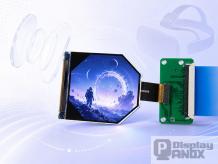
Why VR Display Panels Matter for Headset Performance
2.1 inch LCD 90 Hz For VR HDMI Board In a VR headset, the display is one of the first components that decides whether the experience feels clear, smooth and believable. The lenses can enlarge the image, the processor can render the scene, and the tracking syste
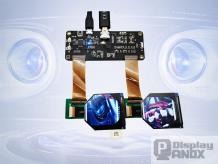
What Is a VR Display Panel? How to Choose the Right Display for VR Headsets
2.1 inch LCD 90 Hz For VR HDMI Board A VR display panel is the screen placed inside a virtual reality headset to create a close-range, wide-field image for each eye. In a normal monitor or phone, the user looks at the screen from a comfortable viewin
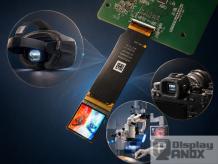
AR Display Panel Applications: Where Micro OLED Displays Are Used
1.03 inch Micro OLED Display 2K for AR/FPV Augmented reality is moving from experimental headsets into more focused products: lightweight smart glasses, FPV goggles, industrial guidance tools, medical viewers, professional electronic viewfinders, and com
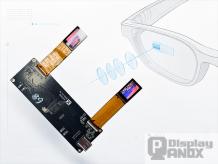
Why Is Micro OLED Display Important for AR Display Panels?
0.68 inch Micro OLED 5000 Brightness Fast Response Augmented reality looks simple when it reaches the user: a notification floating in the corner of vision, a navigation cue, a translated sentence, a private virtual screen, or a real-time image inside FP
Panox Display

Browse Articles by Category
OEM SERVICE
Customized Touch Panel

HDMI/Type-C Controller/Driver Board

Custmized LCD/OLED

Free Connectors

Find a Display to Fit Your Application

For More OLED/LCD Panels
If our display fit your application, subscrlbe for monthly Insights
Panox Display Professional OLED/LCD Supplier and Manufacturer
- 📍 Shenzhen
- 📞 Phone: 86 755 3396 6409
- 📠 Skype: panoxwesley

If it`s urgent, try to contact
Whatsapp: +86 18665870665
Skype: panoxwesley
QQ: 407417798