
Specialist LCD/OLED Supplier
|
|







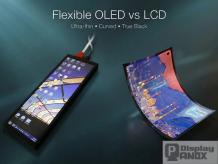
Flexible OLED vs LCD: When Ultra-Thin and Curved Designs Make OLED the Better Pick
A technical comparison of Flexible OLED vs. LCD. Discover why OLED is the superior choice for ultra-thin, curved, and high-contrast designs, offering distinct engineering advantages over traditional LCD architecture.
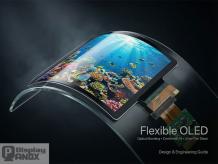
Why Flexible OLED Displays Are Ideal for Ultra-Thin, Curved & Custom-Shaped Designs
Discover how Flexible OLEDs enable ultra-thin, curved, and custom hardware designs. This guide covers Polyimide architecture, 5 custom form factors, and essential engineering tips for seamless integration.
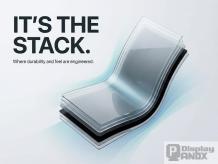
Flexible OLED Is a Stack Problem: Cover Window, OCA, and Reliability
Flexible OLED isn't a spec game; it's a stack game. This article analyzes how the integration of Cover Windows (UTG/CPI) and OCA determines the true durability and user experience of foldable devices.
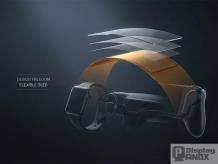
Flexible OLED Isn't About Bending — It's About Design Freedom
Flexible OLED isn't just for folding; it's for fitting. This article explores how static curvature and polyimide substrates unlock true design freedom—enabling space efficiency, seamless edges, and ergonomic integration for wearables, automotive, and industrial devices.

From Camera EVF to XR: How Micro-OLED’s Application Landscape Is Expanding
Discover how Micro-OLED evolved from professional Sony camera EVFs to powering the next generation of XR and spatial computing. Learn about pixel density, luminance challenges, and the future of OLEDoS technology.
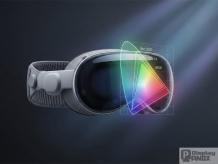
Micro-OLED Color: Why “Wide Color Gamut” Isn’t the Whole Story
This article challenges the industry's obsession with "Wide Color Gamut" in Micro-OLED displays. We analyze why color volume, calibration, and optical consistency are more critical for immersion than raw percentages, using the Apple Vision Pro's balanced 92% DCI-P3 coverage as a prime example of performance over marketing.
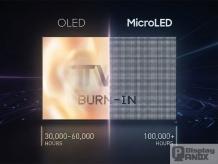
Goodbye Burn-in: Deep Comparison Report on MicroLED vs OLED Device Longevity
This report contrasts MicroLED and OLED longevity, focusing on eliminating screen burn-in. It analyzes the 100,000-hour lifespan advantage of inorganic MicroLEDs and highlights how recent Micro OLED innovations are closing the durability gap for premium devices.
OLED vs. Micro LED for the Next 10 Years
A deep dive into the next decade of display tech: comparing OLED's evolution, Micro-LED's high-brightness future, Micro OLED in XR, and the disruptive rise of QD-EL (NanoLED).
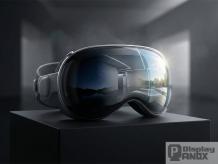
Micro OLED vs LCoS vs MicroLED: Which Microdisplay Fits AR/VR?
A definitive comparison of Micro OLED, LCoS, and MicroLED. Discover which display technology wins for immersive VR headsets versus lightweight AR smart glasses.
Panox Display

Browse Articles by Category
OEM SERVICE
Customized Touch Panel

HDMI/Type-C Controller/Driver Board

Custmized LCD/OLED

Free Connectors

Find a Display to Fit Your Application

For More OLED/LCD Panels
If our display fit your application, subscrlbe for monthly Insights
Panox Display Professional OLED/LCD Supplier and Manufacturer
- 📍 Shenzhen
- 📞 Phone: 86 755 3396 6409
- 📠 Skype: panoxwesley

If it`s urgent, try to contact
Whatsapp: +86 18665870665
Skype: panoxwesley
QQ: 407417798