
Specialist LCD/OLED Supplier
|
|








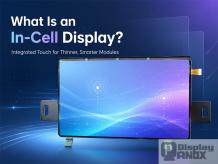
What Is an In-Cell Display? A Practical Guide to Integrated Touch Technology
This article explains what an In-Cell display is, how it integrates touch sensing into the display panel structure, and why it is widely used in thin, compact devices such as wearables, smartphones, AR/MR equipment, foldable products and handheld industrial terminals. It compares In-Cell with On-Cell, OGS and external PCAP touch solutions, outlines key benefits such as reduced thickness, improved optical performance and simplified module design, and highlights important engineering factors including touch noise, cover glass design, interface selection and real-environment testing. The article also introduces Panox Display’s In-Cell display options for flexible AMOLED, round AMOLED and compact touch display applications.
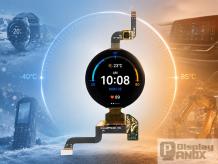
Wide Temperature Display Applications: Choosing the Right OLED and LCD Module for Real Product Environments
This article explores wide temperature display applications across AR/VR, wearables, handheld devices, industrial HMIs, vehicle systems and outdoor equipment. It explains how different Panox Display products, including Micro OLED, flexible AMOLED, Memory LCD, TFT-LCD and OLED touch screens, can be selected based on environment, interface, power consumption, brightness, touch needs and reliability requirements.
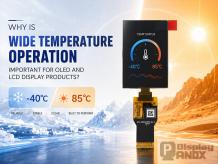
Why Is Wide Temperature Operation Important for OLED and LCD Display Products?
This article explains why wide temperature operation matters for OLED, LCD and industrial display modules. It covers how cold and heat affect display response, brightness, touch performance and reliability, and helps readers choose suitable displays for vehicles, outdoor devices, wearables, instruments and AR/VR applications.
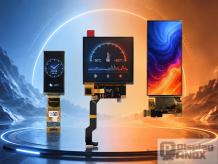
What Is a Wide Temperature Display? A Practical Guide for Industrial LCD and OLED Selection
This article explains what a wide temperature display is and why it matters for industrial, automotive, outdoor and rugged applications. It covers how temperature affects TFT-LCD, OLED, AMOLED, Micro OLED and Memory LCD performance, including cold-start response, sunlight readability, thermal stress, optical bonding, backlight design and module reliability. The article also provides practical guidance for selecting suitable wide temperature display solutions based on application environment, interface, brightness, touch integration and long-term durability.
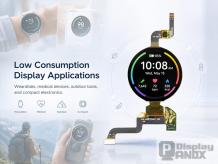
Low Consumption Display Applications: Choosing the Right Screen for Battery-Powered Products
A practical guide to low consumption display applications, covering PMOLED, OLED, Micro OLED, Memory LCD, transflective TFT-LCD, flexible OLED, and larger OLED panels for battery-powered products.
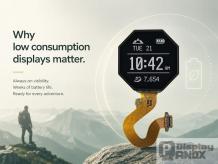
Why Low Consumption Displays Matter for Wearables, Medical Devices, and Outdoor Electronics
This article explains why low consumption displays are important for wearables, medical devices, outdoor instruments, and battery-powered electronics, with a focus on AMOLED and Memory LCD solutions.
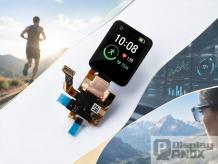
Sunlight Readable Display Panel Applications: From Outdoor Equipment to AR and Wearable Devices
This article explains the main applications of sunlight readable display panels, including outdoor kiosks, industrial control, handheld devices, wearables, vehicle displays, AR/FPV viewers, robotics, and flexible display designs.
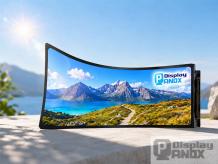
Why Is Sunlight Readability Important for Outdoor Display Panels?
This article explains why sunlight readability is important for outdoor display panels, covering real-world visibility, safety, power consumption, thermal design, UI readability, and display technology selection.
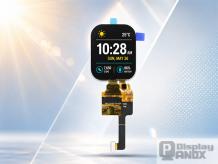
What Is a Readable-Under-Sun Display Panel and Why Does It Matter?
2.04 inch AM-OLED A readable-under-sun display panel , also called a sunlight readable display panel, is designed to keep text, icons, images, and touch interfaces visible under strong daylight or direct sunlight. For outdoor devices, this feature is more than
Panox Display

Browse Articles by Category
OEM SERVICE
Customized Touch Panel

HDMI/Type-C Controller/Driver Board

Custmized LCD/OLED

Free Connectors

Find a Display to Fit Your Application

For More OLED/LCD Panels
If our display fit your application, subscrlbe for monthly Insights
Panox Display Professional OLED/LCD Supplier and Manufacturer
- 📍 Shenzhen
- 📞 Phone: 86 755 3396 6409
- 📠 Skype: panoxwesley

If it`s urgent, try to contact
Whatsapp: +86 18665870665
Skype: panoxwesley
QQ: 407417798